
As winter approaches, so too does the inevitable pressure on NHS trusts who are still struggling to tackle the backlog of patients that are the consequence of COVID-19.
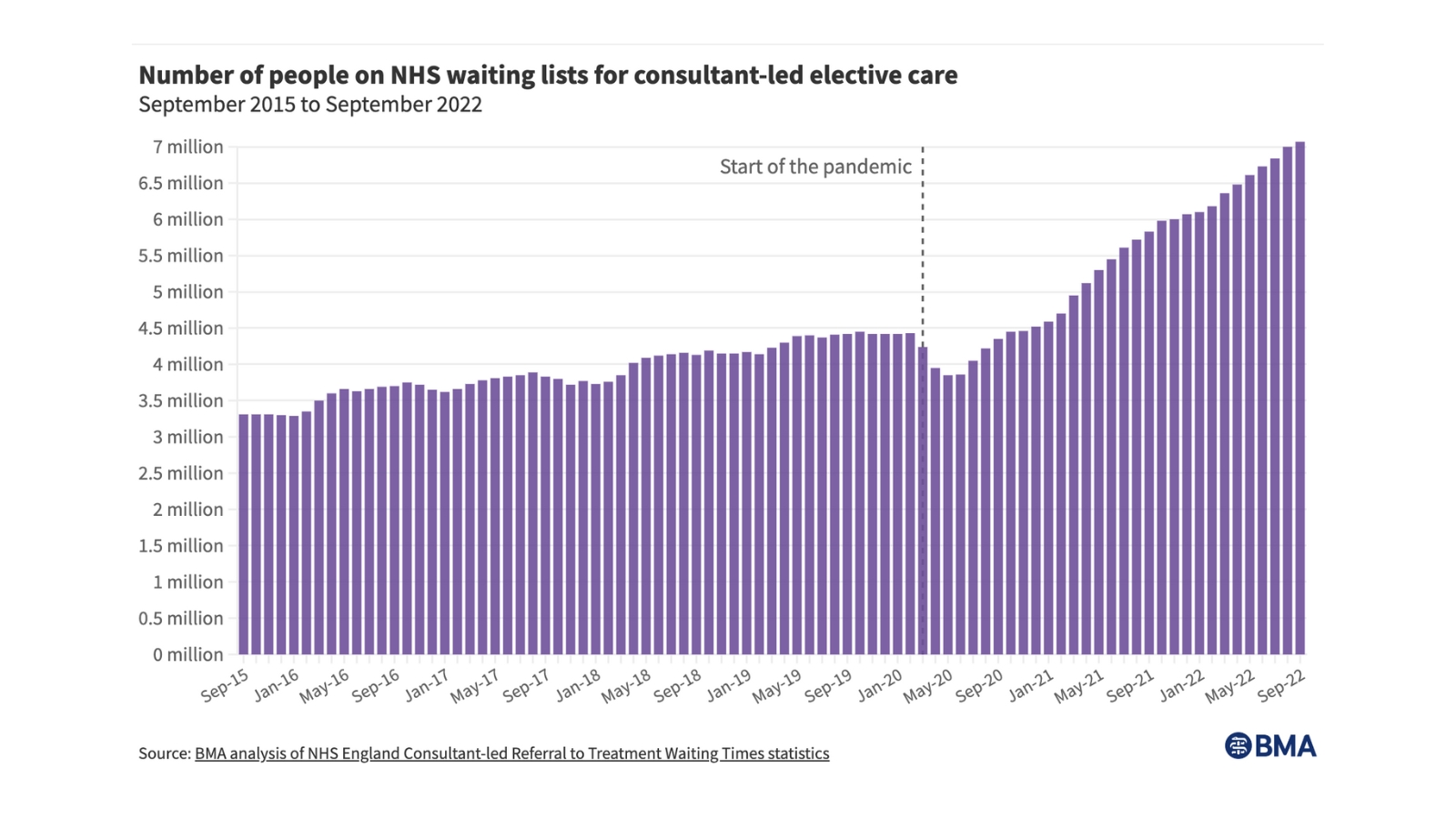
Prior to the pandemic, there were already nearly 4.5 million people on the waiting list for consultant-led elective care.
That number has now reached 7 million, with the number of people waiting more than a year for treatment having increased by more than 37,500% over the same period.
Addressing the capacity conundrum
The priority for many trusts has been increasing capacity – and fast.
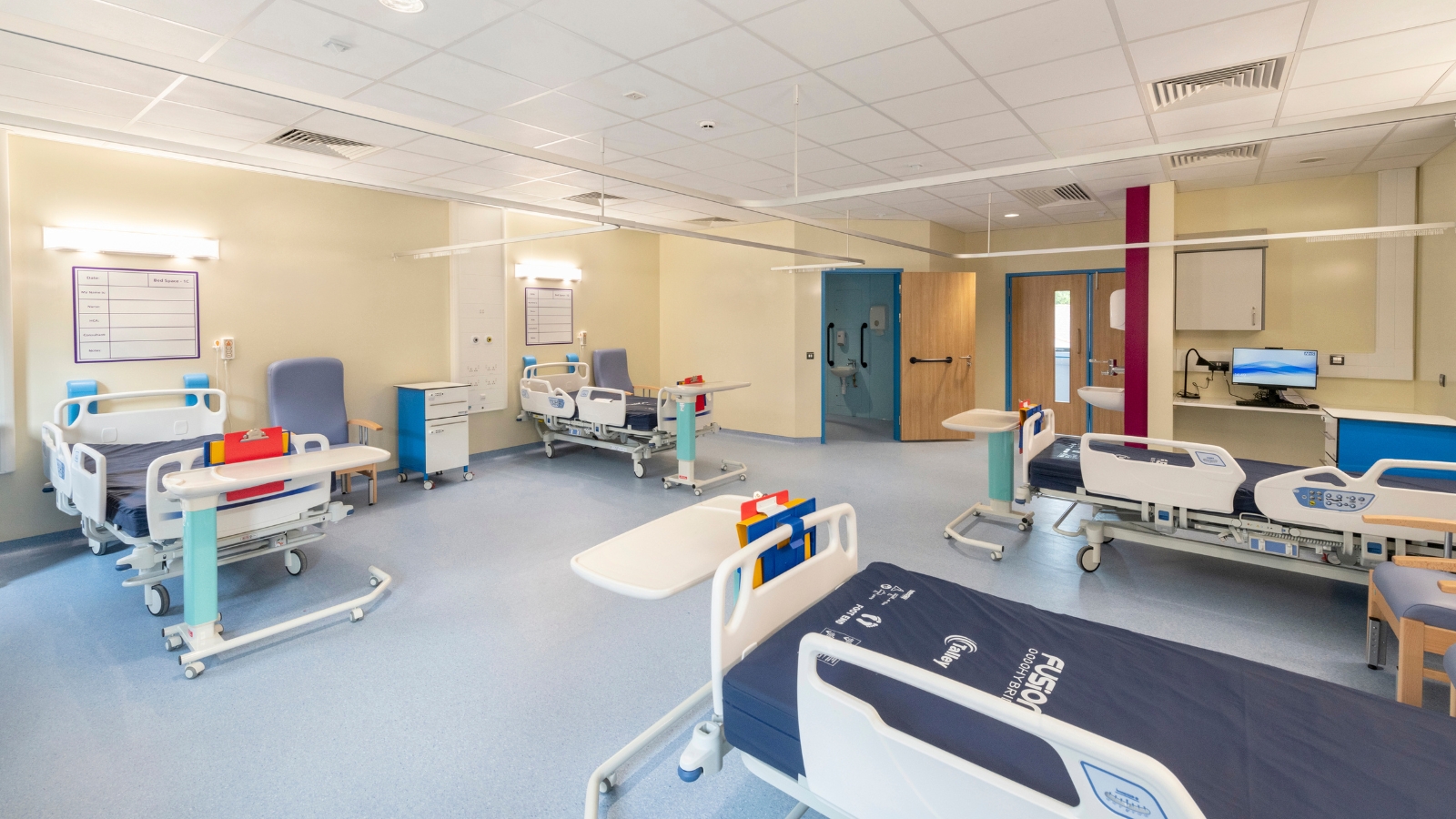
We recently built and fitted out a modular ward for North Devon Hospital which was operational within 10 weeks. Not only does this show how quickly modular projects can impact patient care, it also resulted in MIG being shortlisted for Healthcare Supplier of the Year at the IHEEM Awards.
However, patients are also waiting longer for emergency care. The number of people having to wait more than 12 hours from decision to admission soared past 30,000 this summer, which doesn’t bode well for the winter.
Rising energy costs will mean more elderly and vulnerable patients being admitted during the coldest months, compounding the pressure on hospitals that will already be dealing with increased numbers of cold, flu and COVID-19 patients.
Improving medical gas resilience
In what has been called the most difficult winter on record, it’s important to highlight that bed capacity is only one side of the coin.
The resilience of systems such as your medical gas pipelines will also come under serious strain. During the pandemic, we worked with a lot of trusts to ensure their oxygen systems could deliver the increased flow-rate required for COVID-19 patients.
And as patient numbers increase again, some estates teams may find their medical gas systems struggling to cope. The only way to know for sure is comprehensive testing, and if necessary, the installation and commissioning of new medical gas pipelines like the work we did with Manchester Royal Infirmary.
These projects can also be turned around quickly when required. During the most intense period of the first COVID-19 wave, we were able to fully fit-out 2 oxygen gas pipelines for two field hospitals over a period of 14 days to accommodate over 600 patients across both sites.
Short term steps vs long term solutions
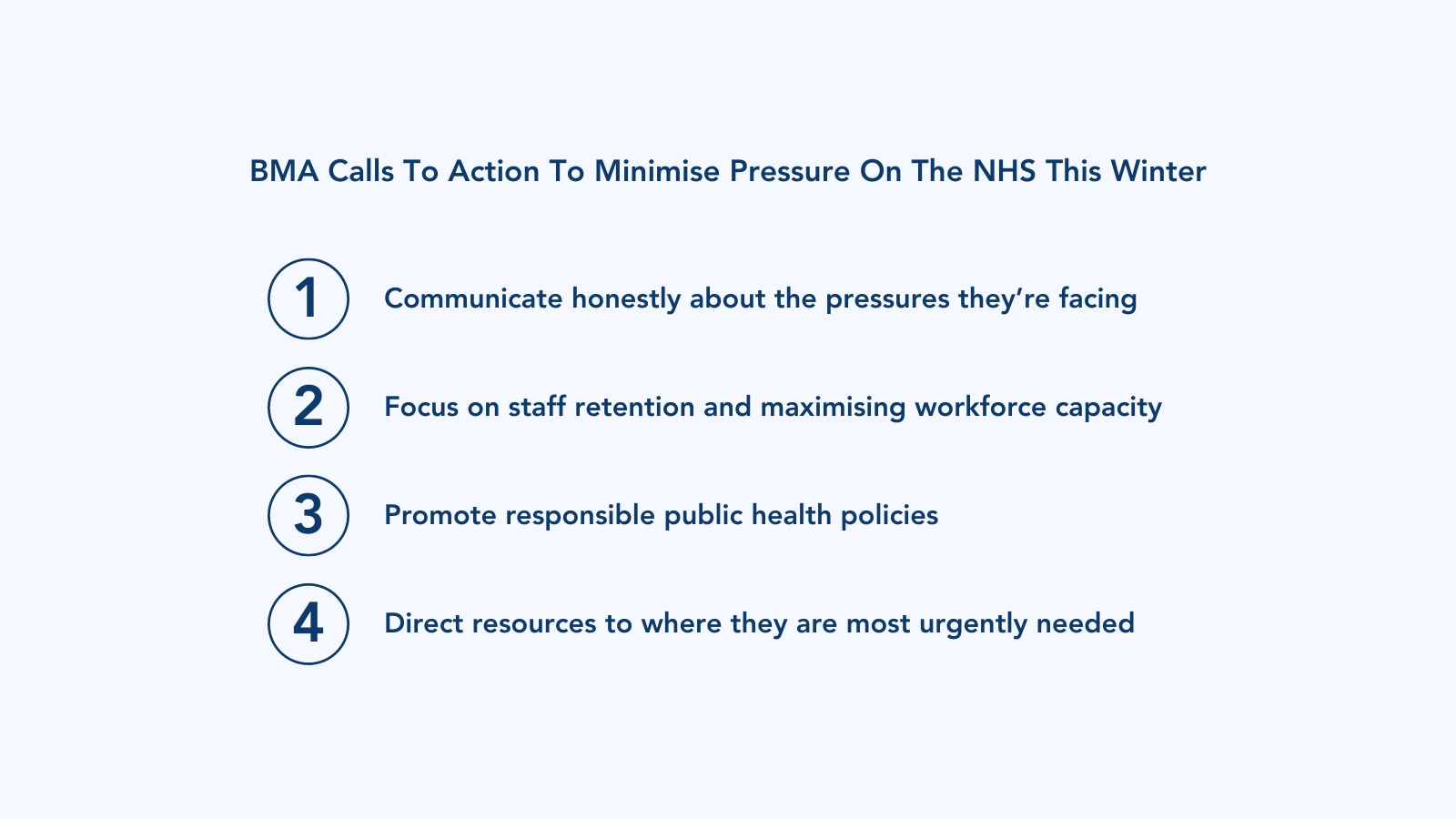
The BMA has called for trusts to take four steps to successfully navigate this winter:
- Communicate honestly about the pressures they’re facing
- Focus on staff retention and maximising workforce capacity
- Promote responsible public health policies
- Direct resources to where they are most urgently needed
While these are necessary in the short term, increasing capacity and the resilience of hospital systems are both integral to addressing the endemic pressures that have led to this point.
The record waiting lists and increased demand are not going to disappear next year either. So once we’ve weathered this winter, it will be time to take steps to manage the next one.